An update from Matt Leighninger on the activities and progress of the Center for Democracy Innovation
Dear Friends:
Many people have lost confidence in the basic idea that Americans can make decisions, solve problems, and build community together, and that affects how they think about politics at every level of our system. This crisis shows up locally, but also has local remedies. The League’s work over the last six months, alongside some great partners, demonstrates that this confidence in our collective abilities can be rebuilt in communities, at scale, in measurable ways.
 Community foundations are well-positioned to lead this local work, as we saw in Chicago when CFLeads, the Rhode Island Foundation, and the League convened almost 100 local funders as part of “Community Foundations for Civic Health.” The event showcased innovative efforts in Iowa, Kentucky, Colorado, Michigan, Delaware, and Wisconsin, in small towns, big cities, and communities in between. In 2026, CFCH will be a much bigger affair, with in-person and virtual convenings, a learning cohort, tools for measuring civic health, and funding to community foundations for civic health planning. If you work at or with a community foundation, let us know if you want to get involved.
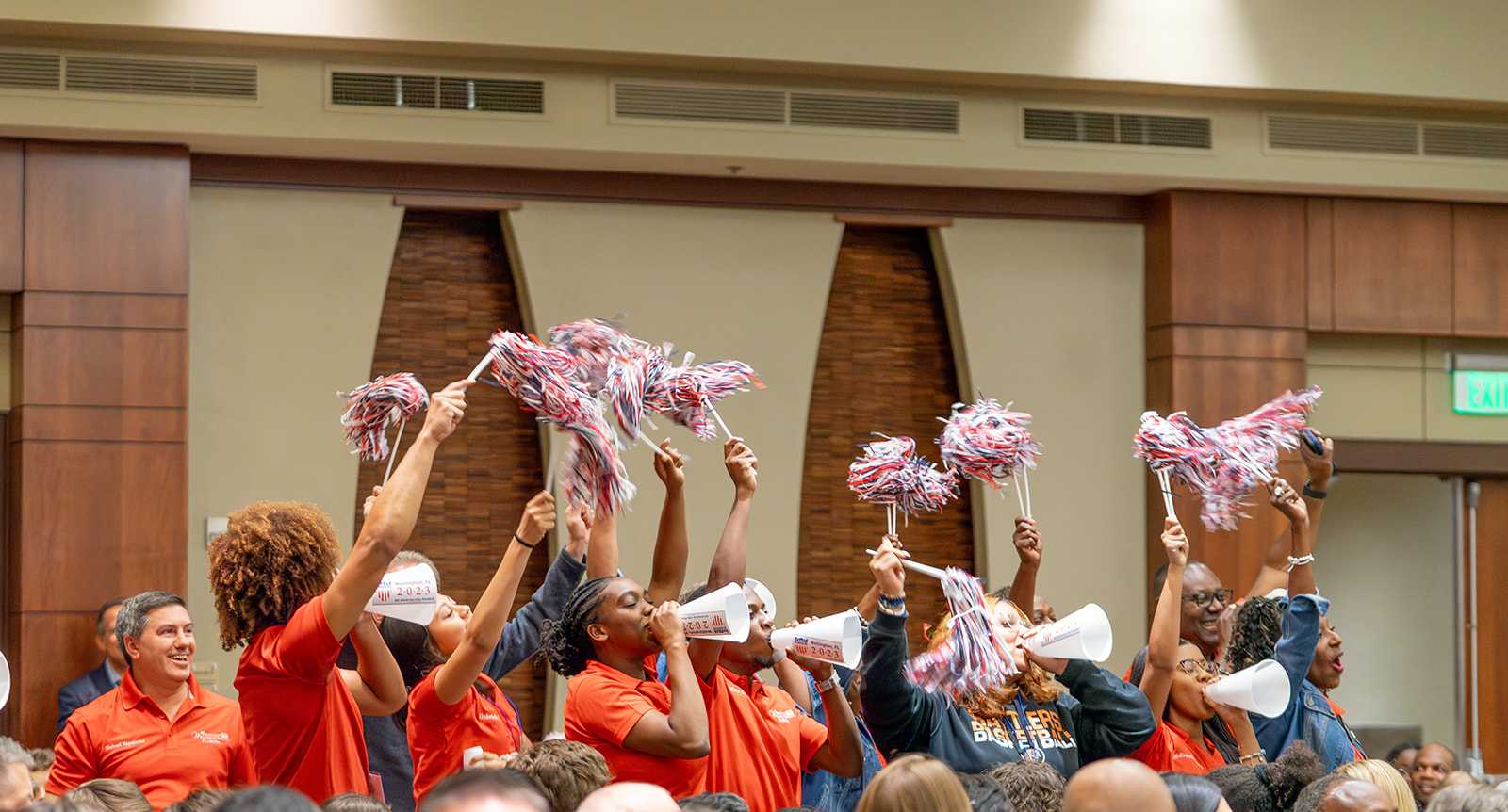 Now is also the time to get involved in this year’s All-America City Award! This year’s theme will be America at 250: Strengthening Civic Health and Building Trust. Even if your city is not an applicant, please join us in Denver on June 26-28 for an event that is part celebration, part learning lab, and part affirmation of the skills and practices we need in every community in the country.
There are allies for local civic renewal in towns and cities all over the country, as is evident on the Healthy Democracy Ecosystem Map. The Map crossed the threshold of 12,500 organizations recently, and we will soon unveil a new platform for the Map that makes it easier for people to filter organizations and trace networks. Having built out the dataset, we are increasingly focused on innovative ways for people to use the Map. With help from the Silicon Valley Community Foundation, we are using the Map to support networks dedicated to preventing political violence, and with the support of Stand Together, we are using the Map to inspire and coordinate service volunteerism in America’s 250th year.
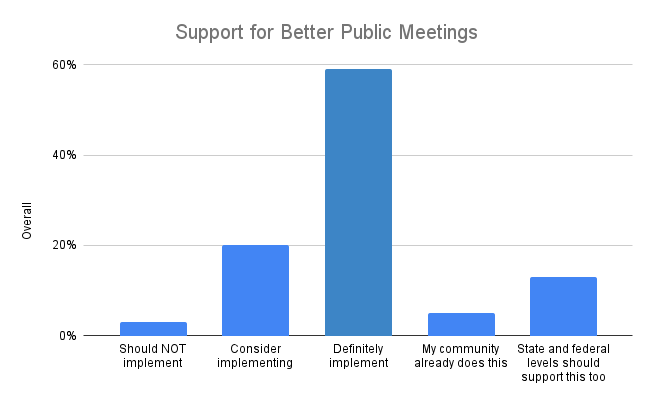 The national survey we conducted with ActiVote shows that Americans support a wide variety of civic reforms, especially those that would give people a greater voice in governance. “Disconnected but Hopeful: What a New Survey Reveals About Civic Life in America” summarizes the results of the survey, which asked people to rate their local democracies as well as potential improvements at the community, state, and federal levels. As we have found in previous research, people are frustrated, alienated, and hungry for concrete options – civic assemblies, digital engagement, participatory budgeting, better public meetings – that can change their role in public life.
Our review of the scholarly literature suggests that reforms like these—particularly at the local level—can meaningfully strengthen trust among people, trust in institutions, and trust in information. We’ll share more in our upcoming trust research brief, produced in partnership with $1 Billion for Trust, which will be released during a February 25 webinar. Register here.
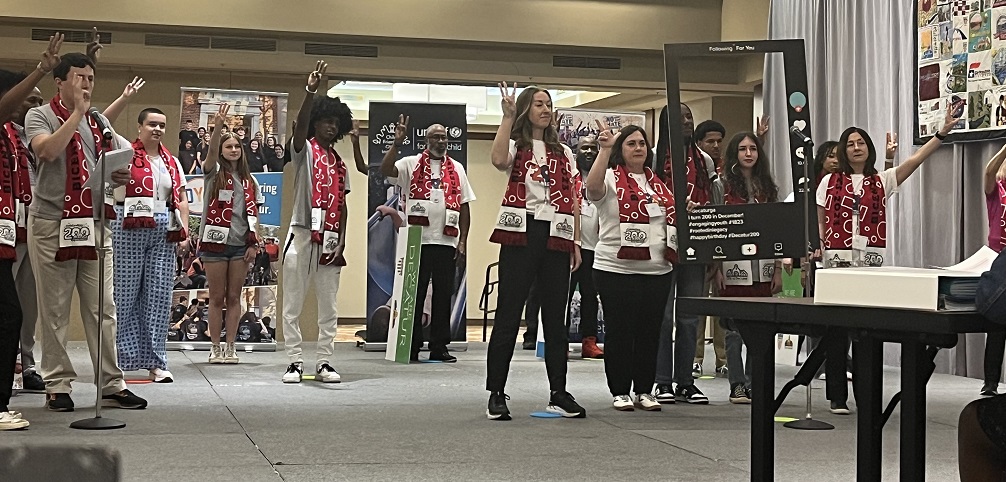 Our local partners are demonstrating many ways to increase trust and strengthen civic health. Perhaps the best example is Decatur, Georgia, which completed the first city charter revision process to use a commission partly assembled through civic lottery. The charter recommendations include a number of provisions for further upgrading public participation in the city. Decatur was also the model city for an ICMA presentation on “Creating a Comprehensive Local Democracy Strategy.” And, we published a tribute to Jon Abercrombie, who was an essential leader of that work for thirty years, in our most recent newsletter.
Our Better Public Meetings initiative, supported by the AAA-ICDR Foundation and the Luce Foundation, is entering a new phase with work in Anchorage, Alaska, Rochester, Minnesota, and New York City (with the city’s Civic Engagement Commission, created several years ago by New York residents through a ballot referendum). Our friends at Perfect City are organizing participatory theater experiences that complement the research and practice elements of the Better Public Meetings work.
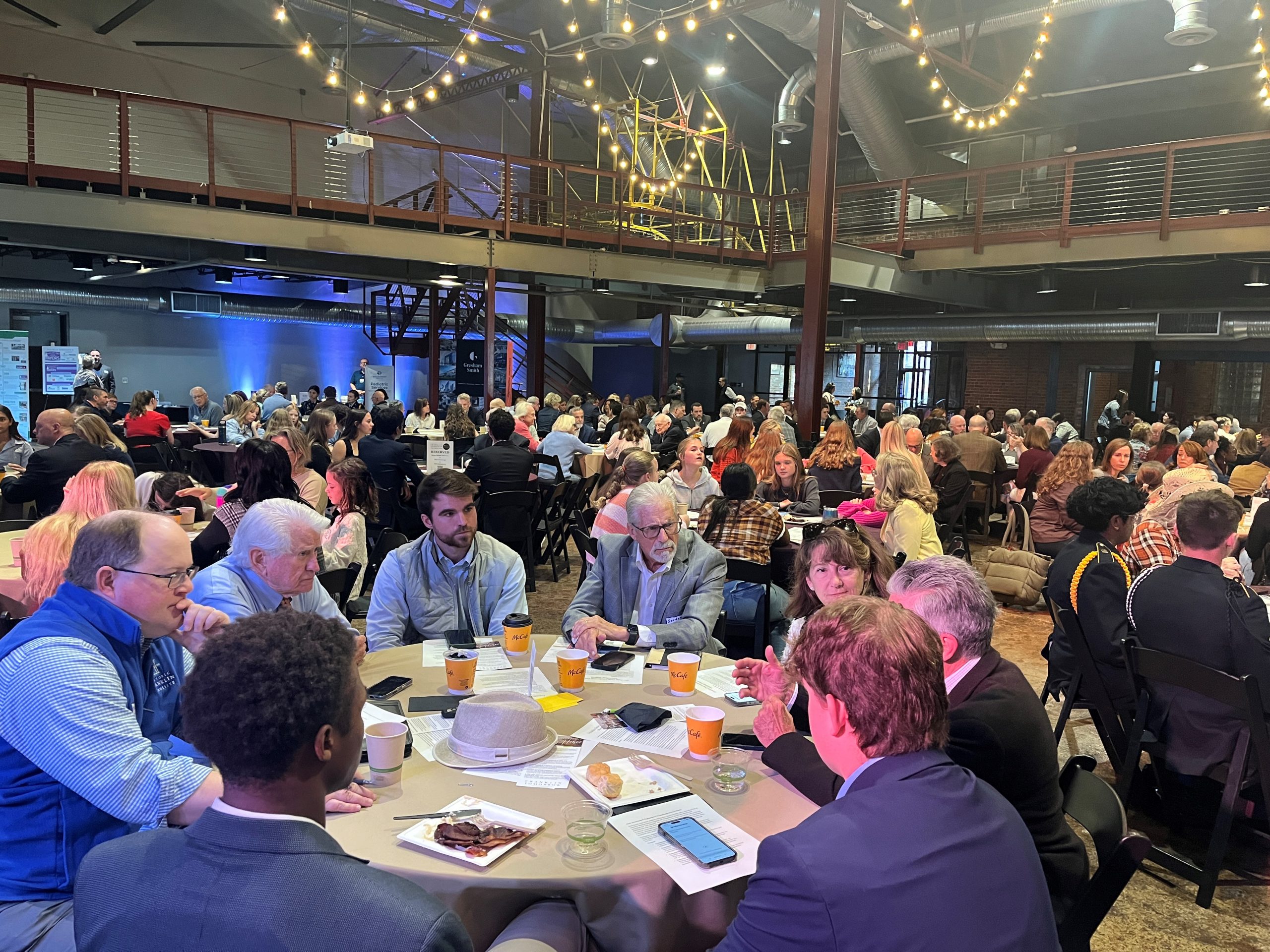 In partnership with the Bridge Alliance, we’ve been working with community partners in Franklin, Tennessee, and Edinburg, Texas, to identify and support established and emerging leaders as they learn and deploy new civic engagement skills.
We recently released the Colorado Civic Health Action Guide, which describes a wide range of ways for local leaders to strengthen civic health, build common ground, and give people a voice in public decisions. The El Pomar and Boettcher Foundations supported the guide and a set of workshops to help local leaders use in civic health planning.
In 2026, we’ll be adding a new area of work, thanks to a partnership with Take9 and Newmark Philanthropies: CyberSim, an initiative that helps local leaders understand and deal with the growing cybersecurity threats that we are now facing. Developed and piloted by our friends at the National Democratic Institute for use in other countries, the core of the effort is a role-playing game that simulates different threats and how they can be managed.
I have been sending these kinds of updates semi-regularly for over twenty years; reflecting my new role as vice president of the League, we’re now going to incorporate them in our regular newsletters instead of as reports from the Center for Democracy Innovation. Please sign up for NCL updates if you haven’t 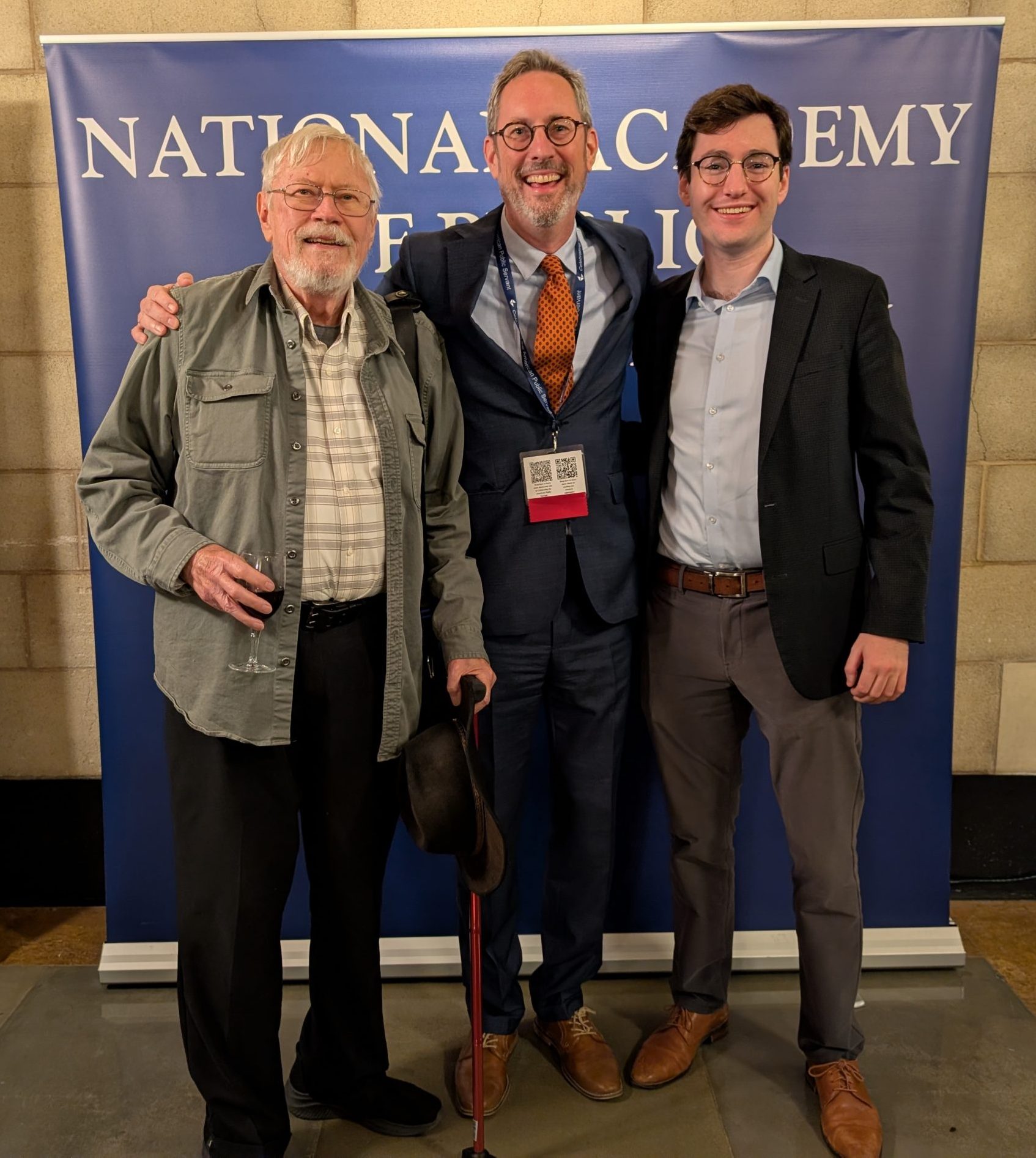 already done so!
I am honored to take on this new role at the League, and I was also honored to have been elected as a Fellow of the National Academy of Public Administration this year. At the ceremony I was joined by my dad Bob (look for his new book, How the New Deal Won World War II) and by oldest son Jack (now the legislative director for U.S. Rep. Gregory Landsman).
I’ve always enjoyed getting the responses to these updates, especially the updates on your own efforts to make democracy stronger and better. Please continue sending them, and keep up the great work!
– Matt