By Rachel Perić
Five years ago, I published a piece in the National Civic Review about the lessons communities were learning and the practical steps they could take to become more welcoming places.
At the time, communities were responding to an environment of mounting fear and polarization, and to policies designed to separate families and label many Americans—including immigrant Americans—as an undeserving “other.”
Most cities and towns had a different agenda. Seeing their residents—newcomer and long-timer alike—as the foundation of their social, civic, and economic life, they were building a “welcoming infrastructure” for greater access, participation, and belonging.
As polarization grew, they were doubling down on trust. And these efforts were not only helping more community members thrive, but building resilience through a contentious political climate and other shocks, from an earthquake in Anchorage to extreme weather in Dallas, Texas.
What followed has only magnified the need for local leadership to build trust and resilience: the pandemic, political violence, the arrival of asylum seekers and Afghans after the U.S. pullout, and the horrific killings and fear driven by immigration enforcement in Minneapolis and Chicago.
Through it all, local civic leaders have been reinforcing welcoming infrastructure and shaping government response to these shocks—and seeing the benefits of doing so in such a volatile environment.
The communities that built this infrastructure before these crises arrived were ready when they did. Residents saw each other as neighbors. Community members with immigrant backgrounds were shaping local policymaking and could rely on public institutions to respond. Civic, faith, and business leaders weren’t shy about saying out loud that everyone deserves to feel safe and welcomed. All of it added up to something the national political narrative couldn’t seem to offer: a greater “we.”
All of these have been much-needed counterpoints to the polarizing “us versus them” narratives. Welcoming communities have created a greater “we” and have only grown in their commitment.

Photo by Hector Amador
In fact, fifty U.S. cities and counties are on track to be Certified Welcoming by the end of 2026—meaning that they have undergone a rigorous audit of their local government policies and practices and demonstrated their ability to meet a standard that includes the creation of a role within local government for ensuring residents are not only included in policymaking, but actively shaping it. This milestone lands in the same year the U.S. celebrates its 250th anniversary of the Declaration of Independence, and these places are the bright spots that reflect our potential as a democracy that thrives in its diversity and plurality.
This commitment is more than symbolic. Certified Welcoming communities must demonstrate that they are implementing policies and practices according to a Welcoming Standard that ensures all residents, including those with immigrant backgrounds, are:
- Serving on boards and commissions;
- Woven into local economies through entrepreneurship support and workforce development;
- Accessing city communications in their language before a crisis—not after; and
- Hearing local elected and community leaders saying, consistently and on the record, that everyone belongs.
Certified Welcoming places are as geographically and politically diverse as the communities where new Americans have settled. They include such communities as Crete, Nebraska; Emporia, Kansas; Roanoke, Virginia; Wabash County, Indiana; and Dayton, Ohio, which turned to welcoming work as a strategy to reverse population loss.
Cities such as Tulsa, Oklahoma, saw firsthand how the welcoming infrastructure they built helped them respond first to the pandemic—keeping thousands of residents connected to the response—and then to the arrival of a large community of Afghans.
Because the relationships and resources were already in place, families were able to settle in and access legal services that shielded many from the enforcement actions devastating communities that hadn’t done this work.
What Tulsa understood—and what places as different as Gunnison, Colorado, and Detroit, Michigan, have each demonstrated—is that demographic change isn’t an obstacle to trust building, but a vehicle for reinforcing it for everyone. Immigrants themselves shouldn’t be objects or afterthoughts of civic renewal, but drivers of it.
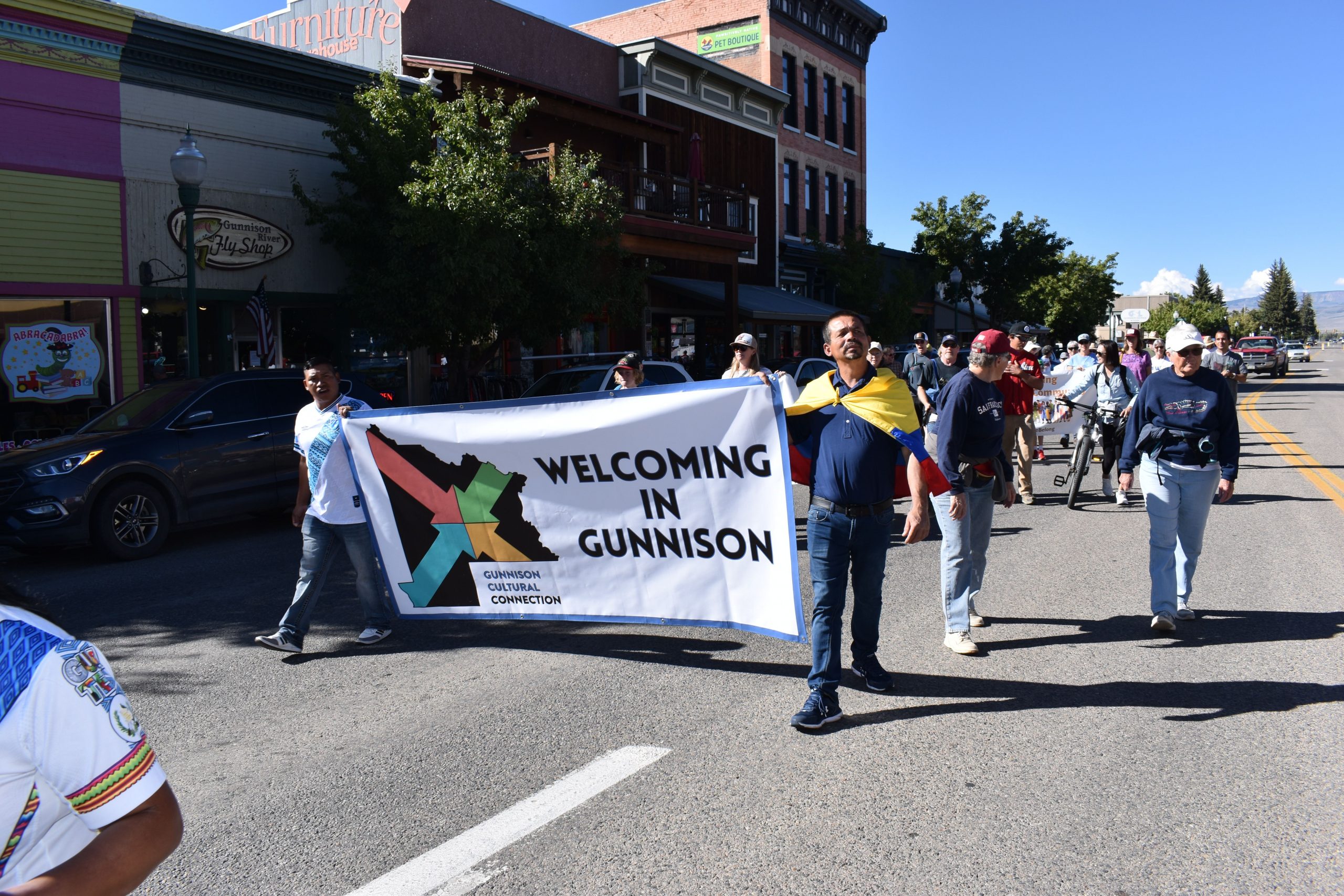
Photo by Ricardo Perez
In Gunnison, a rural town of 16,000, local leaders saw that large segments of the community were not woven into the fabric of governance and understood what that meant in a small town that prized neighborly connection. A cross-sector coalition spent over a year just building relationships before they had a plan. As one city leader put it: “Change moves at the speed of trust.”
In Detroit, Bangladeshi, Yemeni, and Black residents reclaimed a vacant lot together—and eighty percent of the neighbors who participated now know more people of different backgrounds than they did before. The language in the neighborhood shifted from “us vs. them” to “we.”
These communities already have trust infrastructure: networks, mutual aid systems, relationships built across language and culture. The cities that figured out how to connect to that asset were the ones ready when things got hard.
Today, as communities respond to deeply harmful policies and actions, they also have the chance to envision a different future and build toward it. A first step is recognizing the valuable foundation that already exists in the people who call our communities home—regardless of where we came from.
Each of us can be part of shaping institutions, associations, and neighborhoods that reflect the values we share, and build the trust that creates a stronger foundation for all of us to thrive through this volatile time.
Welcoming America is a nonprofit, nonpartisan organization that leads a movement of inclusive communities becoming more prosperous by ensuring everyone belongs. We believe that all people, including immigrants, are valued contributors and vital to the success of our communities and shared future. Learn more at welcomingamerica.org.
Rachel Perić is Executive Director of Welcoming America, where she has worked for more than a decade to grow the worldwide movement of welcomers and advocate for the power of everyday people to build welcoming communities for all. Inspired by her family’s refugee story, Rachel has worked throughout her career with local leaders whose innovative solutions to community building in an era of migration are the inspiration for her work and advocacy.