By Wendy Schaetzel Lesko
Across the country, hundreds of cities and towns operate well-established youth commissions where a dozen or more teenagers are vetted to serve. Designed to teach young people about local government while allowing them to identify key community issues, these commissions are intended to give rising leaders a seat at the table.
Yet, when it comes to proposed ordinances and budget priorities that directly impact children, these aspiring young changemakers rarely exercise real influence.
It is time for this legacy model to be overhauled.
The current application process tends to select students who already possess leadership credentials, such as student government or debate teams. Once selected, however, it is rare for these commissioners to interact with elected officials in any substantive or sustained way. This is a missed opportunity on both sides. Lawmakers lose out on the fresh insights and lived realities of their youngest constituents, while teenagers endure a frustrating experience that risks fueling lifelong cynicism. At a formative age, these “leaders of tomorrow” may check out of public service entirely.
Interviews conducted over several years with high school students, particularly those who feel safe offering candid reflections, reveal a clear mandate for change. The core challenge is for city leaders to move past mock leadership experiences, described unequivocally by one youth commissioner:
“We want a real world hands-on opportunity to make our city better.”
The Illusion of Success and the Grievance of “Performative” Action
An uptick in commission applications in some cities might suggest the current system works. A new generation of charismatic electeds can certainly be a draw, and increased recruitment efforts have successfully expanded representation beyond traditional student leaders to include those most impacted by government services. For these young people, a commission seat offers resume building, kinship with like-minded peers, and the exciting prospect of shaping city hall decisions.
Too often, though, that promise turns into disappointment. “Performative youth civic engagement” remains the top grievance. A few direct quotes describe this disillusionment:
“It is infuriating [to present our proposal to city council] and be ignored.”
“They give me their business card and say to email them but I get no response.”
“Photo ops are for show and it feels like they want to get my parents to vote for them.”
Regardless of a youth commission’s structure or stated mission, most function as a “positive youth development program” and remain on the sideline. Teenagers put in serious work—conducting Youth Participatory Action Research, hosting teen summits, or drafting comprehensive Child Impact Statements. Yet, when it comes time for genuine inclusion in policy deliberations, these serious efforts are routinely bypassed.
The Cost of Disconnection
When controversial issues directly affecting teenagers arise, lawmakers ought to lean heavily on their youth commissions for guidance. Take, for example, these Google Slides highlighting efforts by a 16-year-old to understand the arguments pro and con regarding a youth curfew.
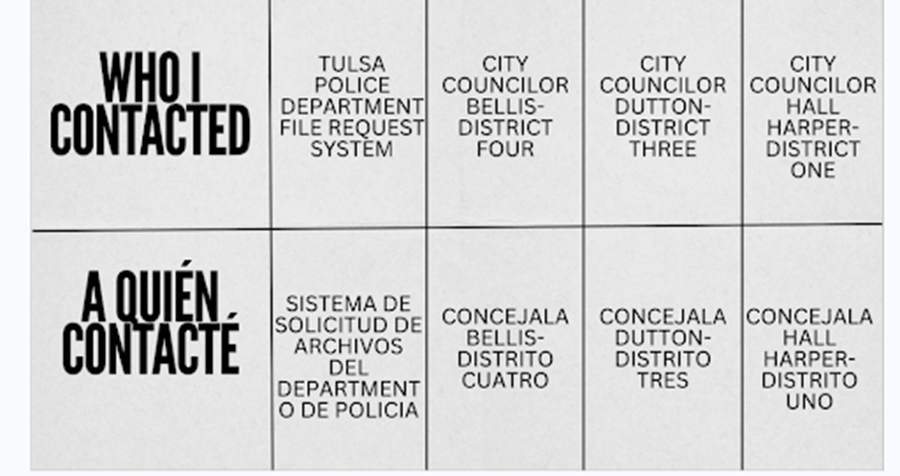
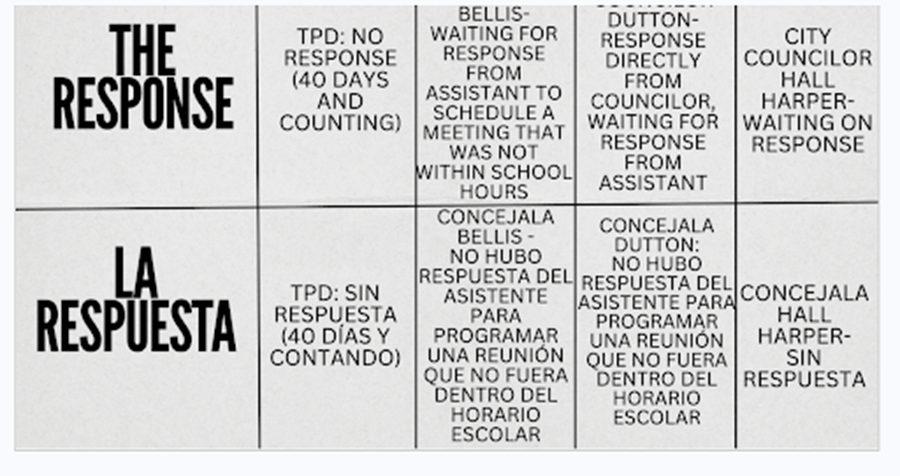
“No response” or “waiting for a response” are not just minor communication glitches; they are active destroyers of trust. Even when lawmakers apologize for a lack of follow-up, the absence of meaningful questions or comments speaks volumes. This youth representative did not expect immediate policy change, but rather basic engagement, such as: “Wow, I didn’t know that black youth are being fined” or “Tell me more.”
City leaders must find the bandwidth to genuinely listen and provide constructive feedback. Otherwise, “youth voice is a joke.”
As a nearly universal sentiment among these vetted teenage leaders puts it:
“ We can tell immediately if an adult cares.”
On the flip side, some adults hesitate to interact with young people out of a subtle fear of being judged or challenged. In the words of one outspoken youth commissioner:
“They [city council] don’t want us to be activists.”
In our fast-changing world, policymakers should actively draw upon the lived realities of the rising generations alongside professional experts. Poised, polite, and polished student presenters should be encouraged not to censor their thoughts and to speak up, question existing policies, and pitch bold ideas. For example, facing a city deficit and a teacher shortage, one commissioner suggested offering local tax breaks to educators in lieu of direct raises.
While mental health frequently dominates youth discussions, topics like gun violence, juvenile justice, housing, immigration, public transit, workforce development and artificial intelligence routinely rank high on youth agendas, as demonstrated in the San Francisco Youth Commission’s hefty annual reports.
Mayors often establish a Children’s Cabinet composed of agency heads, business partnership, nonprofits, and experts, but rarely young people. Perhaps it is time to rename the youth commission as the Youth Policy Cabinet, allowing it to serve as a complementary counterpart. Language matters: incorporating “policy” elevates young people to formal advisors on legislation, marking a clear move from mock governance to real-world impact.
Transforming this well-established model requires a dramatic shift in adult attitudes that signal to young minds that their voices belong in the rooms where their city’s future is charted. Renaming the youth commission would signify this shift, along with new practices and procedures.
10 Steps to Meaningful Intergenerational Collaboration
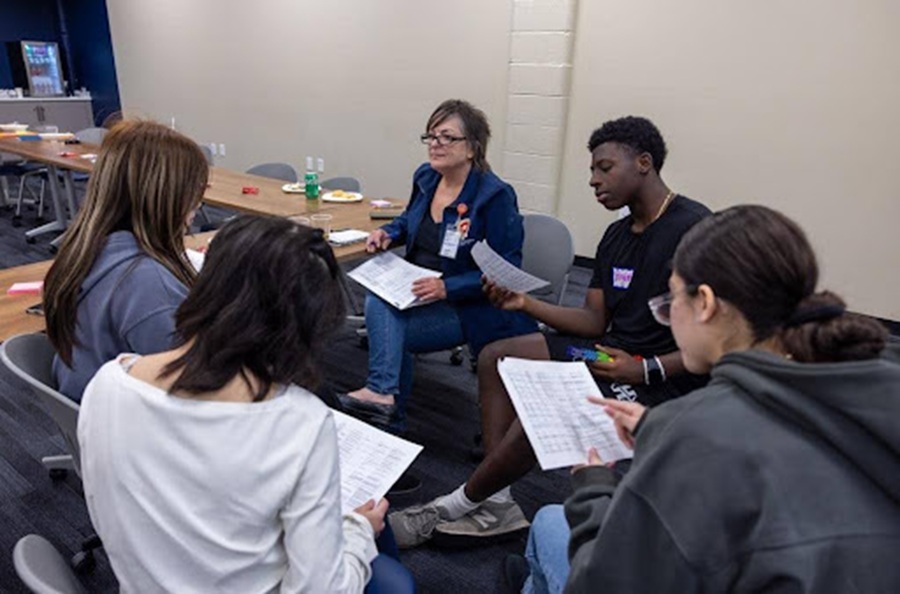
Tulsa City Council Jackie Dutton being asked questions at a City of Tulsa Youth Council Meeting
To move beyond performative gestures and build systemic civic trust, city leaders should implement these ten actionable reforms:
-
- Adopt a New Adult Mindset: Shift from “listening to youth” to actively relying on their lived realities and expertise through mutual, collaborative learning.
- Support & Retain Staff: Invest in and properly compensate commission coordinators who possess policy expertise and a deep belief in youth potential. Validate their unique skill set that is crucial to meaningful youth engagement.
- Prioritize Youth Communication: Create dedicated communication channels (e.g., custom .gov emails or subject-line tags) to ensure youth messages aren’t lost in the inbox.
- Lower Barriers to Entry: Offer stipends to commissioners so low-income youth can participate. Engage former commissioners as peer recruiters.
- Demystify the Policymaking Process: Skip tedious administrative overviews in favor of practical training on research methods and key legislative entry points.
- Seek Review of Pending Proposals: Enact formal policies, such as a 30-day review rule, giving a youth commission/cabinet time to analyze bills affecting young constituents.
- Cultivate Rapport Informally: Build genuine relationships outside council chambers through informal district get-togethers and shared community service projects.
- Offer Flexible Scheduling: Hold meetings and maintain office hours after school and during evening hours to accommodate students’ academic schedules.
- Provide Substantive Feedback: Schedule major commission presentations well before the end of the school year to allow time for meaningful follow-up and dialogue.
- Brag About Youth Participation: Publicize the existence of the youth commission on the city’s official website with current contact information to normalize youth inclusion in local government.
From Tokenism to True Partnership
Youth cynicism does not start in a vacuum. It is systematically produced when energetic, public-spirited young people are invited into city hall only to be met with photo ops, empty promises, and unread emails. When local government leaders treat youth engagement as a public relations task rather than a vital democratic asset, it sends a dangerous message to the rising generation: your insights don’t matter here.
Rebuilding civic trust requires more than minor tweaks. It demands an intentional structural shift that transforms youth commissions into genuine policy partners. By lowering economic barriers to service, establishing concrete legislative feedback loops, and cultivating a culture of mutual respect, city leaders can bridge the gap between rhetoric and impact.
When mayors and city councils step up to give young people real agency over the issues governing their lives, they do far more than improve local policymaking—they cultivate active, lifelong citizens ready to steward their communities for generations to come.
Wendy Schaetzel Lesko covered the U.S. Congress for print and radio, co-founded the Youth Activism Project and most recently coauthored with 19-year-old Denise Webb “Why Aren’t We Doing This! Collaborating with Minors in Major Ways.”