2026 All-America City Finalist – North Charleston, SC
Since North Charleston’s incorporation in 1972, the city has evolved from a young industrial city to a major economic hub. The city’s boom began with the creation of its Naval Base, but when it closed in the 90s, the region’s economy was dealt a significant blow. Since then, the city has worked hard to attract new businesses and industries. While major investments and new industries have strengthened the local economy, North Charleston has recognized that lasting success depends not only on development, but on trust, inclusion, and the strength of its neighborhoods.
In recent years, the city has embraced a deliberate shift toward listening-driven governance, meeting residents where they are, elevating historically underrepresented voices, and embedding engagement into decision-making processes. North Charleston’s programs have reflected the city’s efforts to restore trust in policing, build inclusive public spaces, and invest in child education.
Patching the Fabric
Following the 2015 killing of Walter Scott, North Charleston faced a breakdown in trust between residents and law enforcement. Community outrage, grief, and demands for accountability revealed deep concerns about policing practices and racial disparities. City leadership and the police department committed to rebuilding trust through a community centered approach, emphasizing sustained engagement and direct dialogue. Officers began engaging residents beyond enforcement, participating in neighborhood events and creating ongoing opportunities for conversation and relationship-building.
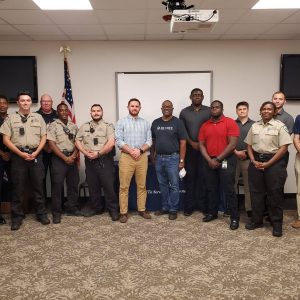 North Charleston implemented a multi-faceted reform approach centered on accountability, training, and community connection. The department expanded community policing efforts, launched recurring neighborhood “Roll Calls,” and required officers to participate in racial equity and anti-bias training. Structural changes included adoption of body cameras, creation of a citizen advisory commission, and a comprehensive racial-bias audit to identify disparities. Perhaps the most powerful reform has been that new recruits now begin their training by watching the video of Walter Scott’s death, followed by a direct conversation with his brother, Anthony Scott. Having chosen forgiveness over bitterness, Anthony Scott challenges recruits to confront their own biases, understand the irreversible weight of lethal force, and internalize the responsibility the badge carries.
These efforts have begun to rebuild trust, shifting perceptions of law enforcement from enforcement-focused to community-centered. Increased visibility, transparency, and accountability have strengthened relationships and improved public confidence. The department will continue to take steps to reduce racial bias and disparities in interactions with the community.
A Place Where Everyone Can Play
What began as a routine playground replacement became something far greater. When North Charleston’s program evaluations revealed that children with mobility challenges, developmental disabilities, or sensory impairments could not fully participate in outdoor recreation, the city reimagined its vision entirely. The result is Park Circle Reimagined, home to the largest inclusive playground in the world.
The city undertook a three-year planning process, engaging parents, caregivers, educators, occupational therapists, disability advocates, and national design leaders to ensure the space reflected the real needs of its community. A visit to Landscape Structures’ headquarters in Minnesota proved pivotal, watching children navigate an inclusive playground independently, many for the first time, solidified the city’s commitment to building something transformational.
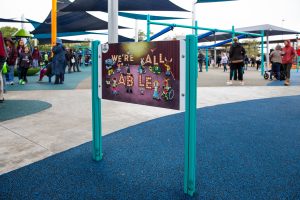
The finished space features fully accessible play equipment, an adaptive baseball field, hospital-grade changing facilities, walking trails, open green space, a farmers market pavilion, and a community arts building that serves as a hub for cultural programming and civic engagement. Every detail was designed with inclusion as the foundation, not an afterthought.
The impact has been profound. Families who once faced barriers now play alongside one another without limitation. The site has become a gathering place for the broader community, hosting events including the Police Department’s annual National Night Out. Park Circle Reimagined is a reminder that everyone deserves to have access to belonging, dignity, and the joy of play. North Charleston will continue applying these principles to future public space investments citywide.
Investing in the Fabric of Our Future
For many children in North Charleston’s Liberty Hill neighborhood, the path forward can feel out of reach. The Liberty Hill Afterschool Enrichment Program (LHEAP) was founded by Robert Fludd and Coakley Hilton—two men who grew up in the community and understood its challenges firsthand—to change that reality.
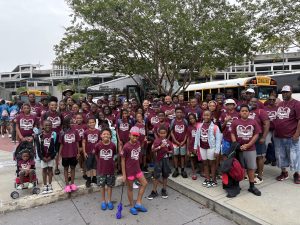 Operating four days a week out of the Felix Pinckney Community Center, LHEAP serves up to 100 elementary and middle school students annually. The program reinforces literacy through reading techniques, context clues, and prefix/suffix instruction, directly supporting the Charleston County School District’s goal to eradicate illiteracy. Monthly STEM classes taught by Boeing connect academic skills to real career pathways, giving students both direction and hope. Volunteers, including current and retired teachers and program alumni, make it all possible.
The impact goes beyond academics. Students gain confidence, develop a sense of belonging, and begin to see possibilities beyond their immediate surroundings. Educational trips to historically significant sites and college campuses broaden their horizons in ways that stay with them. For one student, a trip to Selma, Alabama marked the first time they had ever left North Charleston.
Support from the City of North Charleston, Boeing, Dawn Staley’s Innersole organization, Mercedes-Benz Vans, and local donors sustains and grows the program each year.
LHEAP isn’t just helping students succeed in school, it’s preparing them to invest back into the community that believed in them first.
Some Related Posts
Thank You to Our Key Partners