2026 All-America City Finalist – Harlingen, TX
Once known as “Six-Shooter Junction” for its Missouri Pacific rail connection, Harlingen has come a long way from its 1910 founding. Today, this Cameron County city of 72,000 is earning recognition as a model mid-sized community where civic trust, inclusive leadership, and cross-sector collaboration are producing real results. Over the past decade, Harlingen made a deliberate shift in how it governs and grows, putting transparency and resident input at the center of decision-making, and ensuring that growth is equitable, participatory, and tied to shared community priorities.
That shift is visible across the city. Three comprehensive master plans were shaped through dozens of public meetings, surveys, and stakeholder workshops, giving residents a direct hand in a ten-year vision that touches every neighborhood. Downtown Harlingen, now an accredited Main Street America community with more than 170 locally owned businesses, reflects what that collaboration can achieve. So do 22 parks and 25 miles of connected trails linking neighborhoods to natural assets. The three initiatives below show how Harlingen is strengthening its education-to-workforce pipeline, coordinating a decade of community-driven planning, and revitalizing neighborhoods and small businesses through inclusive investment.
Education to Workforce Civic Pipeline
To address fragmented pathways between education and workforce opportunity, Harlingen and its education partners engaged students, families, and community stakeholders in reshaping how learning connects to careers. Through ongoing dialogue, advisory committees, bilingual outreach, and community forums, institutions including the Harlingen Consolidated Independent School District (HCSID), University of Texas Rio Grande Valley (UTRGV), and Texas State Technical College (TSTC) worked collaboratively to identify barriers and co-develop a more accessible, transparent system.
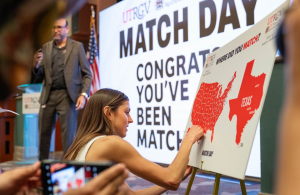 Partners aligned programs across K–12, higher education, and workforce training to create a cohesive pipeline. Key efforts include early college and dual credit programs through Harlingen Collegiate High School, service-learning opportunities tied to community challenges, and workforce credential pathways aligned with regional job demand. Institutions coordinated advising, expanded bilingual and family-centered outreach, and embedded civic engagement into curricula through internships, research, and community partnerships.
The pipeline has increased participation in college and workforce programs, improved postsecondary outcomes, and strengthened trust in educational institutions. Students report greater clarity, confidence, and connection between education and career opportunities, while families view institutions as coordinated partners. Harlingen aims to deepen alignment through shared data systems, expanded advising, and continued community engagement.
Ten-Year Coordinated Planning System
Harlingen residents historically felt disconnected from planning efforts, skeptical that public input would meaningfully shape outcomes, and uncertain how large-scale plans translated into real improvements in their neighborhoods. To rebuild trust in long-term planning, Harlingen engaged residents in reshaping how decisions about growth, infrastructure, and public spaces are made. Through extensive outreach—including community meetings, workshops, surveys, and neighborhood-level engagement—the city invited residents to directly shape priorities across multiple planning efforts. Bilingual materials, flexible participation options, and targeted outreach ensured that diverse voices, particularly those historically underrepresented, were included in defining the community’s future.
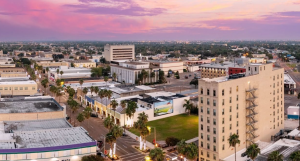
Harlingen implemented a coordinated ten-year planning system anchored by the Comprehensive Plan, Parks Master Plan, and Downtown Master Plan, aligning them into a unified framework for decision-making. These plans guide investments in land use, infrastructure, parks, and economic development, with resident input directly influencing priorities such as flood mitigation, connectivity, housing, and public space improvements. The city integrated infrastructure and drainage projects into this system and maintained transparency through accessible planning documents, regular updates, and visible connections between community feedback and capital investments.
The approach has increased civic trust, improved equity in capital investments, and strengthened public understanding of how planning translates into real outcomes. Residents see their input reflected in park upgrades, infrastructure improvements, and downtown revitalization. Many residents who participate in these planning efforts continue engaging through advisory boards and public initiatives. Moving forward, Harlingen will continue updating plans, expanding communication, and deepening participation.
Coordinated Revitalization System
Many locally owned Harlingen businesses faced challenges of aging infrastructure, limited access to capital, and uneven neighborhood investment; meanwhile, residents in low- and moderate-income areas were skeptical that public funding decisions reflected their priorities or improved everyday quality of life. To address these challenges, the City of Harlingen engaged residents and business owners in shaping a more inclusive approach to economic development. Through outreach sessions, workshops, public hearings, and one-on-one support, the city created accessible opportunities for participation, particularly for low- and moderate-income residents and underrepresented entrepreneurs. Business owners helped shape program design, while residents contributed directly to funding priorities through the Community Development Block Grant (CDBG) process, ensuring that investments reflected real community needs.
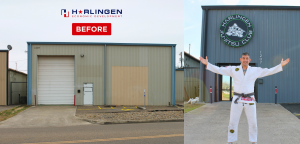 Harlingen aligned two systems: the Revitalize Harlingen Program and the CDBG allocation process. Revitalize Harlingen provides matching grants of up to $10,000 to support small business improvements such as façade upgrades, lighting, and site enhancements, paired with technical assistance to reduce participation barriers. Concurrently, the CDBG process uses a Community Development Advisory Board and public engagement to guide funding decisions for infrastructure, housing, and neighborhood improvements. Bilingual outreach, accessible meeting formats, and transparent decision-making ensure broad participation.
The initiative has strengthened neighborhood vitality, increased small business investment, and expanded civic participation. Visible improvements have enhanced safety, economic activity, and community pride, while residents report greater trust in how public funds are allocated. Harlingen plans to continue to expand outreach, enhance technical support, and introduce digital engagement tools, further aligning economic development with resident-driven priorities and long-term civic health.
Some Related Posts
Thank You to Our Key Partners