2026 All-America City Finalist – Grand Island, NE
In Grand Island, community identity has long been shaped by movement, connection, and opportunity. Founded by settlers seeking to follow westward expansion routes, the city grew alongside the railroad, becoming a hub for commerce, culture, and regional activity. Today, that legacy continues to define Grand Island as a welcoming destination for residents and visitors alike, from its vibrant downtown district to its role as host of major events like the Nebraska State Fair and the annual sandhill crane migration.
At the same time, the city faces challenges rooted in both its history and growth. The same railroad that built Grand Island now physically divides key areas of downtown, while demographic shifts and language barriers can limit connection across communities. In response, Grand Island has embraced a collaborative, community-driven approach focused on bridging divides, strengthening civic participation, and ensuring that growth enhances its sense of place. Through inclusive leadership development, the power of arts and culture, and a commitment to strengthening neighborhoods, the city is building civic health from the ground up.
Elevate Grand Island
Grand Island’s growing immigrant population lacked culturally responsive pathways into civic and professional life, leaving new residents on the margins of the community they were helping to shape.
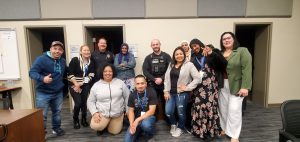 Elevate Grand Island was developed through a collaborative effort between Hall County Leadership Unlimited, the Multicultural Coalition, Adult Education of Central Community College, and Heartland United Way. These organizations asked a central question: how do we meet the needs of our underrepresented communities? To find out, they held focus groups with community leaders and potential participants, surfacing both the need and the appetite for leadership development uniquely tailored to the immigrant experience. That listening process shaped every element of the program that followed.
Now in its fourth year, Elevate delivers a seven-module, hands-on curriculum introducing participants to local government, nonprofits, and community systems while building leadership skills. Participants receive a $500 stipend to offset personal costs and take the Gallup StrengthsFinder assessment in their native language, reviewing it one-on-one with a certified coach. A module on nonprofit engagement—often a cultural revelation for participants unfamiliar with volunteerism—has led many graduates to join boards and seek out service roles. Graduates are also eligible for a $1,000 professional development scholarship, which more than 64% have used to continue their growth, including enrollment in Leadership Tomorrow.
The program has graduated 73 individuals from more than 12 countries, increasing representation in community leadership and strengthening civic connection across cultures. Graduates report greater confidence, civic awareness, and engagement. Future goals of the program are to expand program capacity and secure sustainable funding.
The Grand Island Creative District
The Grand Island Creative District was launched to bridge physical and cultural divides between downtown districts separated by railroad tracks. Since its establishment in 2022, the initiative has engaged local businesses, artists, cultural groups, and institutions through collaborative planning processes to define a shared vision, mission, and goals. Partnerships across sectors, including business improvement districts, nonprofits, and community organizations, have ensured that diverse voices shape programming and reflect the city’s multicultural identity.
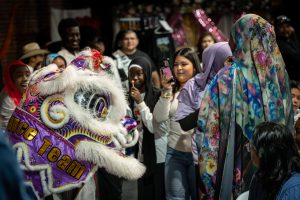
The initiative is strengthening connections between historically separated areas, increasing cultural visibility, and fostering community pride through shared creative experiences. By activating public spaces and celebrating diverse traditions, the district is building a more unified and vibrant downtown. The Creative District has focused on building a sustainable foundation through governance development, strategic partnerships, and early programming. Efforts include organizing cultural events such as festivals, concerts, and public art initiatives, as well as collaborating with schools to showcase student artwork.
Plans for 2026 include expanding community outreach, strengthening partnerships with arts organizations, and increasing visibility through signage and branding. Long-term actions also include transitioning to a formal governing board and exploring infrastructure improvements, such as a pedestrian bridge to physically connect the districts.
The Art of Neighboring
Grand Island joined the AARP Network of Age-Friendly Communities in 2018 to address an aging population. As part of its commitment, Grand Island developed an action plan calling for use of AARP’s Walk Audit Tool to identify safety improvements. As the idea developed, two additional elements emerged as essential: the book “The Art of Neighboring” by Jay Pathak and Dave Runyon, which stresses the power of neighborly relationships, and National Night Out, the national program that strengthens ties between residents and law enforcement.
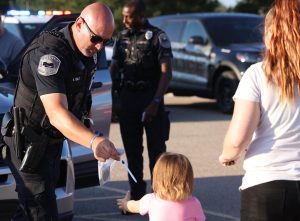 Supported by an AARP Quick Action Challenge Grant in 2022, Grow Grand Island created free neighborhood kits—available at the public library—containing the book, a walk audit tool, a yard sign invitation, and a National Night Out how-to guide. The Grand Island Police Department embraced National Night Out with new energy in 2024 and 2025, assigning a dedicated officer and using a local business parking lot to give residents an up-close look at special use vehicles and, more importantly, a chance to see officers as neighbors.
Since 2022, block party registrations have risen steadily and 100 free kits have been distributed. The initiative has strengthened relationships between neighbors and public safety officials while promoting belonging and shared responsibility. As the program’s namesake book puts it: “relationships are much more important than bricks and mortar, and our neighborhoods are much more than collections of houses.” Grand Island will continue expanding neighborhood outreach, growing participation in National Night Out, and reinforcing age-friendly strategies that make civic health something people experience on their own street.
Some Related Posts
Thank You to Our Key Partners