2026 All-America City Finalist – Conway, SC
In Conway, South Carolina, civic life does not begin at a podium, it begins in a place. This historic river city has been shaped by both celebration and challenge. Hurricanes, repeated flooding, and rapid regional growth have tested infrastructure, strained communication systems, and at times eroded public trust.
A decade ago, Conway made a deliberate shift: rather than focusing solely on roads and economic indicators, the city began investing in civic life itself, recognizing that trust cannot be mandated, it must be built through shared experience. Downtown became the laboratory for this philosophy, with public spaces reimagined as platforms for connection, creativity, and community ownership. The following initiatives demonstrate how Conway is building resilience rooted in belonging, strengthening civic trust, and creating pathways for youth leadership and long-term stewardship.
The Holiday City Model: Placemaking as a Civic Trust Strategy
A decade ago, Conway made a deliberate strategic choice: rather than accepting fragmentation as inevitable, the city used placemaking as a proactive civic trust strategy, transforming its historic downtown into a hub for shared experience and community connection. Through the “Holiday City” model, Conway partnered with local organizations, businesses, artists, and residents to create accessible, recurring events that bring people together in shared public spaces. By centering participation around familiar, welcoming experiences, residents of all ages and backgrounds engage with one another and with local government, creating positive interactions that build trust outside of formal civic settings. Holiday programming creates neutral, shared civic spaces where political differences fade and neighbors interact naturally.
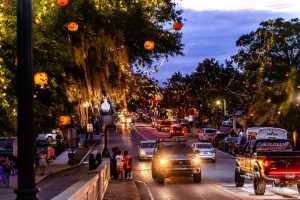 The city developed a coordinated placemaking strategy that includes the nationally recognized, monthlong “City of Halloween” festivities, expanded Christmas programming, and additional seasonal events. A key investment is Holiday Alley, a permanent event corridor designed to host installations and programming year-round. These efforts emphasize free, family-friendly access, volunteer involvement, and opportunities for local businesses, students, and civic groups to contribute to event planning and execution.
The results are both measurable and cultural. Downtown vacancies have dropped to zero, with businesses on waiting lists to find a home. An estimated 2.8 million visitors came to Conway in 2025. Volunteer participation continues to rise, and resident sentiment toward local government has grown more positive and relational. Conway plans to expand multicultural programming, launch a Civic Ambassador volunteer corps, and integrate digital engagement tools, further leveraging placemaking as a strategy for long-term civic connection and trust-building.
Riverwalk Resilience: Infrastructure as a Trustbuilding System
Conway’s beloved home along the Waccamaw River has brought recurring flooding challenges that have disrupted businesses, displaced residents, and raised legitimate concerns about long-term stability. Conway recognized that to strengthen public confidence, the city needed a clear, credible, forward-looking plan.
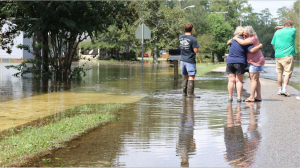
Rather than distancing itself from the river, the city chose to embrace it. Riverwalk expansion, drainage and elevation projects, and improved pedestrian connectivity were paired with transparent communication practices like real-time water level dashboards, coordinated emergency messaging, and consistent public updates before, during, and after storm events. Each infrastructure investment was designed for both recreation and resilience. The Riverwalk is not only a beloved gathering place; it is a visible symbol of preparedness and thoughtful stewardship.
This approach engages a wide range of stakeholders. Business owners participate in resilience planning. Environmental advocates contribute to river health efforts. Schools use the riverfront as a hands-on learning environment. Residents receive clear, frequent updates and are invited into decision-making through public workshops and planning sessions, reinforcing transparency and shared ownership of long-term solutions.
The impact has been both practical and cultural. Private property damages from flooding events have been minimal, downtown businesses report stronger confidence in recovery, and public sentiment has shifted from reactive anxiety to proactive preparedness. Conway will continue expanding green infrastructure, enhancing digital monitoring tools, and treating resilience planning as a participatory process rather than a purely technical one.
From Student Voice to Citizen Leadership
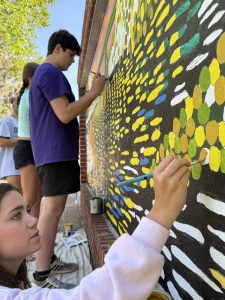 As concerns rose around youth disengagement and long-term civic participation, the city of Conway partnered with local schools to create structured pathways for young people to engage directly in civic life. Through the Mayor’s Youth Advisory Council, students collaborate with city leaders to identify community challenges and develop solutions, fostering a two-way dialogue between youth and government. Engagement extends beyond formal settings, with students participating in city events and civic activities, building relationships with officials, and gaining firsthand experience in how local government operates.
The city established a continuum of civic engagement that connects youth leadership with broader community participation. The Youth Advisory Council empowers students to lead initiatives, such as a school-based recycling program developed in partnership with city staff and administrators. Students also contribute to major city events, supporting planning, logistics, and communications. This pipeline is reinforced by the Citizens Academy, an immersive program that provides residents with hands-on exposure to municipal operations — including budget constraints, public works, public safety, and the human dimension of city management — reframing government as relational rather than transactional.
These efforts have increased youth participation, strengthened civic awareness, and built intergenerational connections between residents and local government. When students see their ideas taken seriously and residents experience the realities of public service, civic confidence grows naturally. Today’s students become tomorrow’s voters and leaders; today’s Academy participants become tomorrow’s board members and informed advocates. Conway’s focus will be to expand student-led initiatives, grow internship opportunities, and continue developing its civic pipeline, ensuring sustained engagement and leadership development across generations.
Some Related Posts
Thank You to Our Key Partners