2026 All-America City Finalist – Chelsea, MA
As Chelsea celebrates over 400 years of history, the city reflects on a legacy defined by resilience, diversity, and an unwavering commitment to welcoming newcomers. Separated from Boston by the Tobin Bridge, Chelsea has long been the region’s workforce hub, industrial engine, and first home for immigrants. Today, nearly 50% of residents are foreign-born, continuing a tradition woven into the city’s DNA.
In 2024, Chelsea launched its first comprehensive master plan since 1970: Chelsea Pa’Lante, Chelsea Onward! Through extensive community engagement, residents identified shared values centered on solidarity, cultural pride, and opportunity for all.
Guided by what local leaders call “The Chelsea Way,” Chelsea continues to strengthen partnerships across public, private, nonprofit, and faith sectors to meet challenges head-on, work collectively, and protect residents. The following initiatives demonstrate how Chelsea is translating that spirit into action, building community trust, strengthening civic health, and fostering youth development.
Community Trust through the Chelsea Police Department.
As national tensions around policing intensified, the Chelsea Police Department doubled down on its longstanding commitment to relationship-based, community-centered policing. During moments of crisis — including the aftermath of George Floyd’s death and federal immigration enforcement actions in 2025 — police leaders and city officials responded by showing up: marching alongside hundreds of residents, attending community meetings, and engaging in honest, open dialogue. In partnership with organizations like La Colaborativa and the Chelsea Inter-Faith Alliance, officers met residents in trusted spaces to listen, address concerns, and rebuild confidence through transparency and shared humanity.
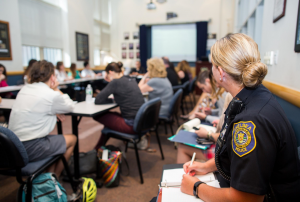 The police department has embraced a community-centered policing model grounded in transparency, representation, and collaboration. Key efforts include the Downtown Task Force, a cross-sector group addressing quality-of-life issues through coordinated outreach and services, and ongoing Faith & Blue events that connect officers with residents through faith-based gatherings. The department also strengthened its Community Services Division, embedding officers in schools and housing communities, while maintaining a diverse workforce reflective of the population.
These efforts have strengthened trust between residents and law enforcement, increased community cooperation, and supported individuals facing challenges such as addiction and housing instability. Residents report greater confidence in police transparency and responsiveness. Looking forward, Chelsea will continue expanding community-based engagement, deepening partnerships with local organizations, and reinforcing a policing model centered on trust, equity, and shared responsibility for public safety.
Civic Health through Food Insecurity Efforts
Early in the pandemic, Chelsea experienced one of the worst COVID-19 outbreaks in Massachusetts, magnifying existing economic disparities. Undocumented families, who were ineligible for government safety nets like SNAP and P-EBT, were especially vulnerable. In response, the city mobilized a community-wide network of residents, nonprofits, faith organizations, and public agencies to meet urgent needs. Through daily coordination calls led by city leadership, partners such as La Colaborativa, local churches, and service organizations worked directly with residents to understand barriers to food access. La Colaborativa served as a key resource for immigrants, low-income workers, and non-English speakers. Engagement extended into neighborhoods through volunteer delivery networks, mobile outreach, and culturally responsive programming, ensuring that support reached those most affected while building trust and community connection.
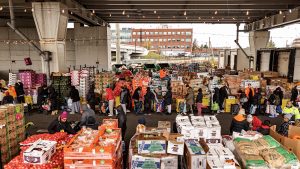
The city implemented a coordinated food distribution system, including neighborhood-based pickup sites, home delivery through a 311-request system, and expanded food pantries across multiple organizations. La Colaborativa established a permanent “Survival Center” to scale operations and launched “El Verdulero,” a mobile food pantry delivering fresh, culturally relevant food directly to residents. Faith-based partners like The Selah Day Resource Center provided groceries, hot meals, and connections to housing and recovery services, and Revival Chelsea runs a weekly food pantry alongside ESL classes and wellness programming. Additional efforts included emergency financial assistance through the One Chelsea Fund and expanded school-based food access points.
This collaborative response ensured widespread access to food during crisis conditions and created a lasting, resilient support network across Chelsea. The initiative strengthened cross-sector partnerships, reduced barriers to access, and reinforced a culture of coordinated response.
Youth Development through the Chelsea Opportunity Academy.
To address high dropout risk among overage, under-credited, multilingual, and working students, Chelsea Public Schools engaged students, families, and community stakeholders to redesign the high school experience through the Chelsea Opportunity Academy (COA). Through interviews, focus groups, and ongoing dialogue, the community identified key barriers, such as rigid schedules, language challenges, and competing work responsibilities, and co-developed a model centered on flexibility, student voice, and strong relationships. At COA, students are treated as partners in shaping school culture, with opportunities to provide feedback, lead initiatives, and influence policies, fostering a sense of ownership and belonging.
 A implemented a competency-based education model that allows students to progress based on mastery rather than seat time. Flexible scheduling, “coursitos” (short, focused courses), and restorative practices replaced traditional grading and disciplinary systems. The school also established strong family engagement through bilingual staff, mentorship programs, and proactive outreach such as home visits and daily check-ins. Curriculum and programming are tailored to students’ real-life experiences, while leadership opportunities and capstone projects reinforce agency and accountability.
Since opening, COA has served 527 students, with many graduates pursuing higher education and careers, and some returning as mentors, strengthening community impact. Chelsea is investing in a permanent facility, converting a historic 120-year-old church into a dedicated home for COA and expanded programming for vulnerable youth.
Some Related Posts
Thank You to Our Key Partners